
 +86-18378303768
 2019-07-12
First: Is This Normal Pilates Studio Etiquette? (The Short Answer: No)
- Disruptive Classmates Ignoring CuesPilates is a practice rooted in mindfulness, respect for the instructor’s guidance, and consideration for fellow classmates. Shavasana (or any relaxation segment) is designed for quiet, focused recovery—standing up to do your own stretches mid-session is not only distracting in a 6-mat small class, but it also undermines the instructor’s plan for the group.The instructor’s private comment (“some people want to teach and not learn”) tells you everything you need to know: this behavior is not normal, and it’s frustrating for the pros too. Instructors rely on class cohesion to deliver safe, effective workouts—disruptive choices throw that off.
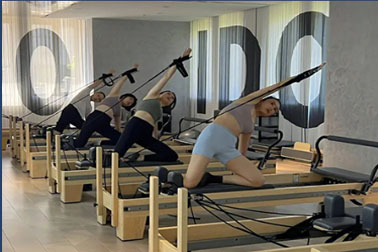
- Beginners in Intermediate Reformer ClassesPilates class levels (beginner, intermediate, advanced) exist for three critical reasons: safety, skill progression, and class quality. A beginner in an intermediate reformer class doesn’t just struggle to keep up—they can also slow the pace, force the instructor to pivot from the planned curriculum, and even create safety risks (e.g., using reformer springs incorrectly without proper foundational knowledge).Lax level policies are not standard etiquette—they’re a studio choice, often driven by the desire to fill classes or avoid awkward conversations.

Why Do Studios Let This Happen? It’s Rarely About “Etiquette”—It’s About Business & Inclusion
Inclusivity vs. Quality: Studios want to welcome everyone, but saying “no” to a beginner who wants an intermediate class (or a disruptive regular who ignores cues) feels uncomfortable—especially in a tight-knit community where word-of-mouth is everything.
Class Fills vs. Client Retention: A 6-mat class with one disruptive client is still a full class. A studio might prioritize short-term revenue over long-term satisfaction, especially if they fear losing that client to a competitor.
Instructor Boundaries: Even if instructors are frustrated, they may not have the authority to enforce strict rules (e.g., asking a client to leave mid-class). Studio management sets the tone for policy enforcement.
What to Do Next: 3 Actionable Steps (No Drama, No Conflict)
1. Talk to the Instructor First (If You Feel Comfortable)
“I love this release class so much—it’s the highlight of my week. I was wondering if there’s any way we can reinforce the quiet relaxation time during shavasana? I’ve been struggling to focus lately, and I know you put so much thought into the class plan.”
“I switched to this time slot because the intermediate reformer class had beginners in it, and it was hard to keep up with the pace. Do you know if the studio has plans to clarify level guidelines for new clients? I want to make sure I’m in the right class to progress safely.”
2. Escalate to the Front Desk/Studio Manager (If the Instructor Can’t Help)
“I’m a long-time regular here, and I’ve noticed a few things lately that have affected my class experience—like beginners in intermediate reformer classes and some distractions during the release class. I know the studio prides itself on quality, so I wanted to share this feedback to help keep things great for everyone.”
What are the studio’s guidelines for class level placement (e.g., do beginners need to take a fundamentals course first?)
Does the studio have a code of conduct for class etiquette (e.g., respecting instructor cues during group sessions?)
3. Only Let It Go If It’s Truly Not Worth It
For Studios: How to Fix These Issues (And Keep Clients Happy)
Create Clear Class Level Guidelines: Post them on your website and studio wall (e.g., “Intermediate Reformer: Requires 3+ months of beginner experience or instructor approval”). Offer a free “level assessment” for new clients to avoid misplacement.
Establish a Simple Etiquette Code: Share it in your welcome email and class intro (e.g., “Please follow instructor cues to ensure a safe, focused experience for everyone; save personal stretches for before/after class”).
Empower Instructors: Let them enforce rules kindly (e.g., “Let’s all lie down for shavasana—this is a chance for our bodies to recover together”) without fear of pushback.
Invest in the Right Equipment: For reformer classes, use equipment that supports level progression (like Mieux B020-Oak Commercial Pro Reformers with 8-level adjustable resistance). This makes it easier for instructors to tailor workouts to different skill levels—without disrupting the class flow.
 Back to list


 +86-18378303768