
 +86-18378303768
 2019-11-04
Why Pilates Lunges Cause One-Sided Knee & Hip Flexor Pain (The Top 3 Culprits)
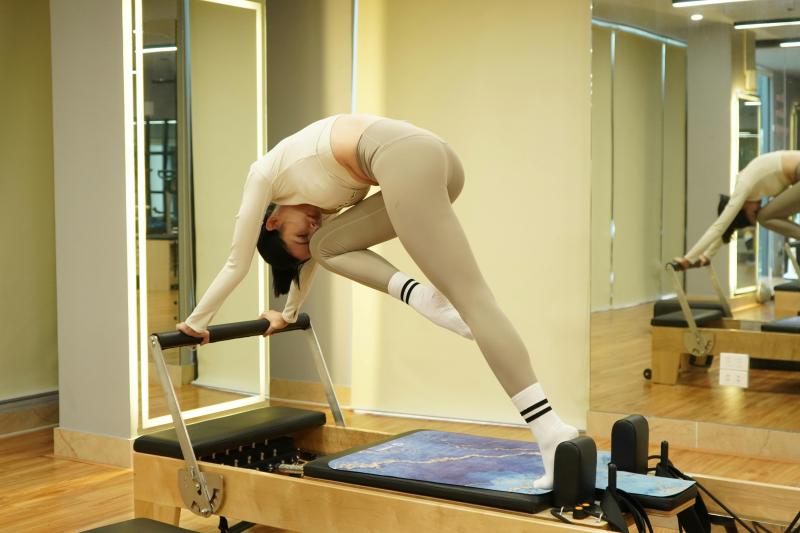
1. Hip Flexor Tightness (Unilateral) Is Pulling Your Knee Out of Alignment
You sit with one leg crossed over the other.
You favor one side when carrying bags or climbing stairs.
Past injuries (even minor ones) left that hip flexor chronically tight.
2. Form Mistake: Your Knee Is Caving In (Valgus Collapse) on the Painful Side
The glute medius (the small muscle that stabilizes your hip) is weak on the painful side—so it can’t keep your knee aligned.
You’re shifting your weight forward onto your toes, instead of grounding through your front heel.
3. Weak Glutes (Unilateral) Force Your Hip Flexors & Knee to Compensate
The hip flexor strains from overuse, causing sharp pain.
The knee takes on extra pressure because the glutes aren’t absorbing the load.
How to Fix One-Sided Lunge Pain: 5 Actionable Steps (Do These in Class)
Step 1: Warm Up the Tight Hip Flexor Before Lunge Sets
Low Lunge Stretch: Kneel on the painful side (back knee on the floor, front foot flat, knee over ankle).
Push your hips forward slightly until you feel a stretch in the front of your back hip (the tight hip flexor).
Hold for 30 seconds—focus on relaxing the hip flexor (don’t force the stretch).
Repeat 2x, then switch to the non-painful side for 15 seconds (to maintain balance).
Step 2: Correct Your Lunge Form (The 3 Rules for Pain-Free Lunges)
Heel First, Toes Up: When you step into the lunge, ground your front heel firmly into the mat/reformer. Lift your front toes slightly—this shifts weight to your heel and glutes, not your knee.
Knee Tracks Over Ankle (No Caving!): Your front knee should align with your second toe—not cave inward. If you struggle with this, place a block or water bottle outside your front foot—aim to keep your knee from touching it.
Neutral Pelvis = Happy Hip Flexors: Engage your core to tuck your pelvis slightly backward (to counteract anterior tilt). Imagine pulling your belly button toward your spine—this takes tension off the hip flexor and knee.
- Prev: Classical vs. Contemporary Pilates – Real-World Experiences from Instructors & Clients (2026 Guide) Next:How Often Do You Do Pilates? Reformer Addict’s 3-Year Journey + Tips (2026 Guide)
 Back to list


 +86-18378303768