
 +86-18378303768
 2026-01-18
My Pilates Routine: 4–6x Weekly Reformer Group Classes (Max 6 People)
Let’s break down the routine that’s worked for me for three years—no fancy equipment, no 6 a.m. mandatory sessions, just consistent, focused group classes:
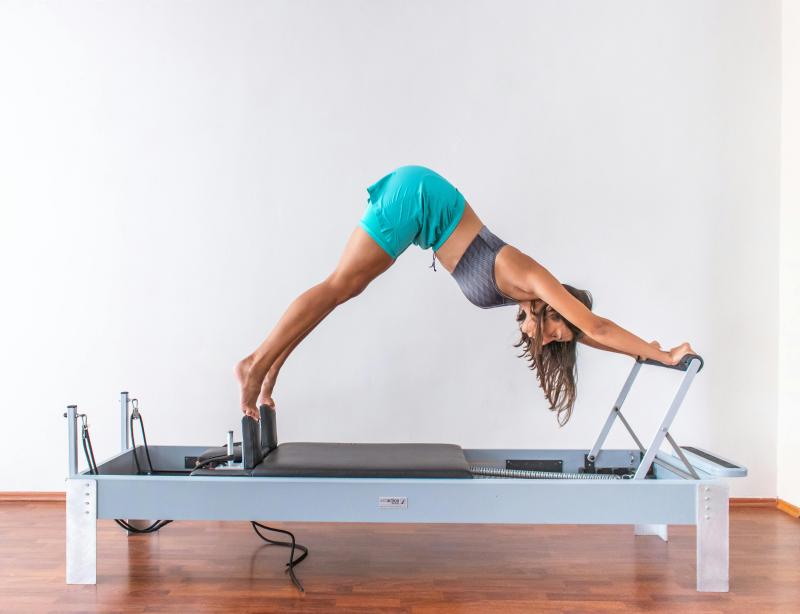
Frequency: 4–6 times a week (I adjust based on energy levels—if I’m sore, I drop to 4; if I’m feeling energized, I add a 5th or 6th class).
Class Type: Reformer-only group classes (max 6 people per class—this is the key to my success).
Teacher Rotation: I switch between 3–4 different instructors at my studio. Each has their own style (some focus on core strength, others on mobility, one specializes in postural correction)—this keeps my practice fresh and targets different muscle groups.
Duration: 50–60 minutes per class (warm-up, main sequence, cool-down stretch included).
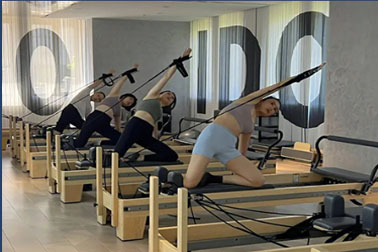
The non-negotiable here is the small class size. With only 6 people, every instructor can walk around, correct my form mid-move, and adjust exercises if I’m feeling tight or sore. This level of attention is impossible in a 15-person group class—and it’s the reason I’ve avoided injury and seen consistent progress.
The Results: 3 Years of Reformer Pilates (No “Typical” Pilates Body Required)
I didn’t start Pilates to look a certain way—I started to fix my chronic back pain from sitting at a desk 8 hours a day. Three years later, the changes have been life-changing:
- Body Composition Shifts (No Weight Loss, Just Muscle Gain)I weigh roughly the same as I did three years ago—but my clothes fit differently. My shoulders are broader (from reformer arm pulls), my core is stronger (I can hold a plank for 2 minutes without shaking), and my legs are leaner (thanks to reformer footwork and lunges). I don’t have a “toned” Instagram physique—but I have functional strength that makes daily life easier (carrying groceries, lifting luggage, cycling up hills).
- Posture That’s Gone From Slouched to ConfidentBefore Pilates, I walked with my shoulders rounded and my head tilted forward (classic desk posture). Now, I catch myself standing taller without even trying. My instructor used to constantly remind me to “lengthen my spine”—now, it’s second nature. Strangers have even commented on how “alert” I look—all thanks to reformer exercises that target the muscles that hold your posture in place.
- Back Pain That’s (Almost) Gone for GoodThis is the biggest win. Three years ago, I had to take painkillers after long workdays because my lower back ached so badly. Now, I only feel twinges if I sit for 10+ hours straight—and even then, a 50-minute reformer class fixes it. Reformer Pilates strengthened my deep core muscles (the transversus abdominis) that act as a natural corset for my lower back—eliminating the strain that caused my pain.
- Muscle Power That Translates to Other WorkoutsI’m not a gym person—but I love cycling. Three years ago, I struggled to cycle up steep hills without getting winded. Now, I can climb hills faster and with less effort—all because reformer Pilates built my leg strength and core stability. The power doesn’t come from bulky muscles—it comes from controlled, precise strength that transfers to every movement I make.
Who Should Do Private Pilates Classes (vs. Group Classes)?
I swear by group classes—but they’re not for everyone. Based on my three years of experience, here’s when you should opt for private sessions instead:
- If You’re Completely New to PilatesPrivate classes teach you the basic principles of Pilates (core engagement, neutral spine, breathwork) without the pressure of keeping up with a group. A few private sessions (3–5) will give you the foundation you need to join a group class and feel confident.
- If You Have a Specific Problem (Back Pain, Injury, Postural Issues)If you’re dealing with chronic pain or recovering from an injury, private classes let instructors tailor every exercise to your body. For example, if you have knee pain, a private instructor can modify reformer footwork to reduce strain—something that’s hard to do in a group setting.
- If You Want to Work on a Specific SkillWant to master the reformer roll-up? Or learn advanced moves like reformer jumps? Private classes let you focus on the skills you care about—instead of following a group sequence that might not target your goals.
How to Choose the Right Pilates Studio (My Top Tips)
Not all Pilates studios are created equal—here’s how to find one that will help you stick with your practice for years:
 Back to list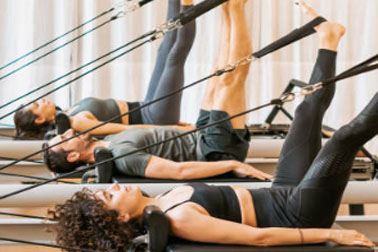


 +86-18378303768