
 +86-18378303768
 2026-01-18
Why You’re Feeling Incapable in Reformer Pilates (It’s Not You – It’s the Skill Gap)
The gym and Pilates are two entirely different worlds—and your struggle stems from the fact that Pilates demands skills you haven’t had to use in weightlifting. Here’s why even strong, consistent gym-goers feel lost in their first Pilates sessions:
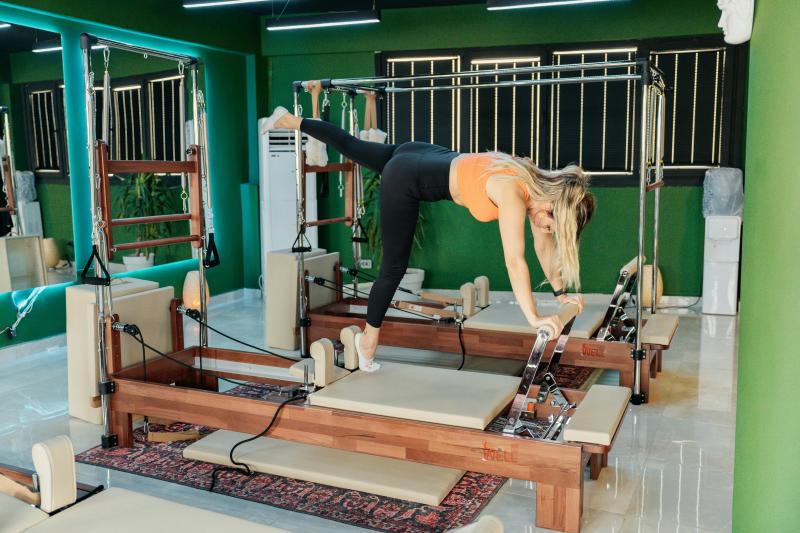
- Pilates Requires Neuromuscular Connection (Gym Workouts Don’t)At the gym, progress is measurable: you lift 5 lbs more, do 2 more reps, or run 30 seconds longer. The focus is on output. Pilates, on the other hand, focuses on control—the ability to engage a single muscle (e.g., your transversus abdominis or lower trapezius) without recruiting other muscles to compensate. For someone with poor body awareness, this feels like trying to move a single finger while keeping your whole hand still—it’s awkward, frustrating, and feels impossible at first.For example: When your instructor tells you to “engage your glutes without arching your lower back,” your brain might not know how to isolate those glutes—so you overuse your lower back muscles instead, leading to correction after correction.
- Mobility Limitations Are Exposed (Not Hidden) in PilatesGym workouts often let you work around mobility gaps. If your shoulders are tight, you can skip overhead presses or use a narrower grip. In reformer Pilates, however, every move requires a baseline level of mobility—especially in the shoulders, hips, and spine. A simple move like a reformer arm pull will immediately reveal tight shoulder muscles, and you’ll struggle to complete the motion with proper form. This doesn’t mean you’re “bad at Pilates”—it means you’re finally addressing mobility issues that the gym let you ignore.
- 1:1 Sessions Amplify Self-Consciousness (Group Classes Hide It)Private sessions are amazing for personalized feedback—but they also mean every misstep is noticed. In a group class, you’d blend in with other beginners who are also struggling to follow cues. In a 1:1 session, you’re the only student, and constant correction can make you feel like you’re doing everything wrong—even if you’re actually making normal beginner progress. The instructor’s questions about sports history or hip issues aren’t signs of frustration—they’re attempts to understand your movement limitations, not judge them.
Real Stories: Guys Who Felt Incapable in Pilates – and Stuck With It
You’re not the first guy to leave a Pilates session feeling defeated. Here are two stories from guys with similar backgrounds who turned their struggles into strength:
Story 1: “I Thought I Was Too Uncoordinated – Now Pilates Fixes My Gym Injuries”
Jake, 33, gym regular (2x weekly weightlifting) with tight shoulders and poor core control
“I started reformer Pilates 18 months ago to fix a shoulder injury from bench pressing. My first three private sessions were brutal—I couldn’t even do a basic reformer footwork sequence without my instructor correcting my knee alignment every 10 seconds. I left the third class thinking, ‘I’m just not a Pilates guy.’ I’m slim, I lift weights—why can’t I do this?My instructor sat me down after class and said something that changed everything: ‘Pilates isn’t about being strong—it’s about being patient.’ She told me to stop focusing on ‘getting it right’ and start focusing on ‘feeling the movement.’I stuck with it. By session 8, I could finally engage my core without arching my back. By session 15, my shoulder mobility had improved so much that I could do overhead presses at the gym without pain. Now, I do 2x weekly reformer Pilates alongside my gym routine—it’s not about ‘being good’ at Pilates anymore. It’s about moving better, which makes my gym workouts better too.”Key Takeaway: Progress in Pilates is slow and invisible at first—but it builds over time, and the benefits spill over into your gym routine.
Story 2: “Gym Confidence Didn’t Translate – But Pilates Taught Me Body Awareness”
Tom, 30, sedentary for 10 years, gym regular for 6 months, zero sports background
“I was killing it at the gym—I could deadlift 2x my body weight and do 20 push-ups in a row. I thought Pilates would be easy. Spoiler: it wasn’t. My first 1:1 session involved a simple pelvic tilt, and I couldn’t do it. I had no idea how to ‘tuck my pelvis’ without lifting my hips off the carriage. My instructor must have corrected me 20 times. I felt like a toddler learning to walk.I almost quit—but I reminded myself that the gym felt impossible too, at first. I stuck with 1:1 sessions, and every week, I mastered one tiny movement: first pelvic tilts, then gentle leg lifts, then arm pulls. After 2 months, I noticed a difference in my gym form—I was engaging my core during deadlifts, which reduced my lower back strain. Now, I see Pilates as ‘brain training’ for my body—it’s not about strength, it’s about control.The best part? I no longer feel like a fish out of water in class. Last week, my instructor told me I was ‘getting the hang of it.’ That small win made all the frustration worth it.”Key Takeaway: Pilates is a skill, not a test of strength. Every tiny win (mastering a pelvic tilt, holding a neutral spine) is progress.
5 Actionable Tips to Stop Feeling Incapable & Start Making Progress in Reformer Pilates
You don’t have to quit—these tips will help you bridge the skill gap, reduce frustration, and turn your private sessions into a source of progress, not stress.
- Tell Your Instructor: “I Need Simple, Tactile Cues”Gym-goers respond to concrete, physical cues—not vague Pilates jargon. Instead of letting your instructor say “engage your core,” ask for specific cues like: “Can you touch my lower belly so I know where to squeeze?” or “What does it feel like when my glutes are engaged?” Most instructors are happy to adjust their cueing style—they just need to know what works for you.
- Stop Focusing on “Getting It Right” – Focus on “Feeling the Movement”The biggest mistake beginners make is chasing perfect form instead of chasing muscle activation. For example: When doing reformer footwork, don’t worry if your knees aren’t perfectly aligned at first—worry about feeling the work in your thighs and glutes, not your lower back. Progress happens when you connect your brain to your muscles, not when you nail a “perfect” move.
 Back to list


 +86-18378303768