
 +86-18378303768
Why "Lazy Girl Pilates" Left You So Sore (It’s Not You—It’s the Pilates Difference)
The biggest surprise about your soreness? It’s not because the "lazy girl" label was a lie—it’s because Pilates works your muscles in a way that light strength training and cardio don’t. Even gentle Pilates targetsstabilizing muscles (the small, often-neglected muscles that support your joints and core) that rarely get activated in other workouts. Here’s the breakdown:
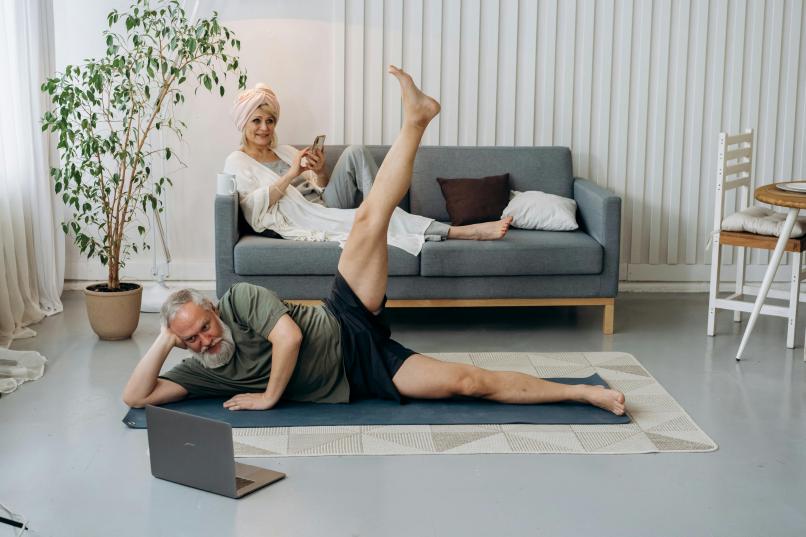
1. Pilates Targets "Forgotten" Stabilizing Muscles
Light strength training (like dumbbell curls or bodyweight squats) and cardio (jogging, cycling) focus on large, "prime mover" muscles (quads, hamstrings, biceps). Pilates, by contrast, hones in on the small stabilizing muscles: think the intrinsic muscles in your feet (which keep you balanced), the adductors (inner thighs) that support hip alignment, and the deep core muscles (transversus abdominis) that hold your torso stable.
These muscles are often weak or underused—so even a "lazy" Pilates session that activates them for 20-30 minutes can leave you sore the next day. It’s like going to the gym and working a muscle group you’ve never targeted before: soreness is inevitable.
2. Isometric Contractions = More Muscle Engagement
Pilates relies heavily on isometric contractions—holding a position while your muscles work to stay stable (e.g., holding a plank, a side bridge, or a Pilates "hundred" pose). Unlike dynamic movements (like running or lifting weights), isometric holds keep your muscles engaged continuously, which builds endurance and strength—but also causes more muscle micro-tears (the reason for soreness) in unused muscles.
Even "lazy" Pilates moves (like gentle leg lifts or seated core twists) require isometric engagement of your feet, legs, and core—so don’t be fooled by the name: your body was working harder than you thought!
3. Poor Core Engagement = Compensating with Other Muscles
Your struggle to engage your core is likely making the soreness worse. When you can’t activate your deep core muscles, your body compensates by using other muscles (like your legs, lower back, or even feet) to stabilize your torso. For example: If you’re doing a Pilates leg lift without engaging your core, your feet and inner thighs will work overtime to keep you balanced—leading to more soreness in those areas.
How to Relieve Pilates Muscle Ache Fast (7 Actionable Tips)
Soreness is normal, but you don’t have to suffer through it. Try these 2026 expert tips to ease foot, leg, and inner thigh pain—so you can get back to your Pilates routine without dreading the aftermath:
1. Prioritize Active Recovery (Not Just Rest)
Rest is important, but active recovery (gentle movement that increases blood flow) is better for reducing soreness. Try 10-15 minutes of gentle stretching: focus on your feet (roll a tennis ball under your arches for 2 minutes per foot), inner thighs (sit in a butterfly stretch for 30 seconds), and legs (hamstring and quad stretches). You can also do a slow walk or gentle yoga—anything to get blood flowing to your sore muscles, which helps repair micro-tears faster.
2. Use Heat or Cold Therapy (Depending on Timing)
For soreness that hits right after your workout (acute soreness), use a cold pack (or ice wrapped in a towel) on the sore areas for 10-15 minutes. Cold reduces inflammation and numbs pain. For soreness that sets in 24-48 hours later (delayed onset muscle soreness, or DOMS), use heat: a warm bath, heating pad, or even a heated blanket. Heat relaxes tight muscles and improves circulation.
3. Stay Hydrated & Eat Protein
Dehydration can make muscle soreness worse, so drink plenty of water (aim for 8-10 cups a day). Pair hydration with protein-rich foods (chicken, fish, tofu, Greek yogurt, or protein shakes) to help your muscles repair. Protein provides the building blocks your body needs to heal micro-tears and reduce soreness.
4. Foam Roll Tight Muscles
A foam roller is a game-changer for post-Pilates soreness. Roll your inner thighs (lie on your side, place the foam roller under your inner thigh, and slowly roll up and down), quads (lie on your stomach, roll the foam roller along your thighs), and calves (sit on the floor, place the foam roller under your calf, and roll slowly). Foam rolling breaks up muscle tightness and knots, reducing soreness and improving flexibility.
5. Take It Easy in Your Next Workout
Your body needs time to adapt, so don’t jump back into a full "lazy girl Pilates" session right away. Do a shorter, even gentler workout (10-15 minutes) focused on stretching and light movement. Or skip Pilates for a day and stick to active recovery (like walking or yoga) to give your muscles time to heal.
6. Wear Supportive Shoes (Even for Gentle Pilates)
Sore feet? Your footwear might be to blame. Even "lazy" Pilates workouts require stable feet, so wear supportive socks (grip socks are ideal) or lightweight, supportive shoes (like minimalist sneakers) to reduce strain on your foot muscles. Avoid doing Pilates barefoot if your feet are sore—grip socks will provide extra support and cushioning.
7. Try Over-the-Counter Pain Relievers (If Needed)
If the soreness is unbearable, you can take over-the-counter pain relievers like ibuprofen (Advil) or acetaminophen (Tylenol) to reduce pain and inflammation. Follow the dosage instructions carefully, and only use them as a last resort—active recovery and hydration are better long-term solutions.
Tips to Improve Core Engagement (Reduce Future Soreness)
The better you engage your core, the less your legs and feet will have to compensate—meaning less soreness in the future. Here are 2026 expert tips to master core engagement, even as a Pilates beginner:
1. Start with the "Vacuum" Exercise
The "vacuum" is a simple exercise to activate your deep core muscles. Sit or stand tall, take a deep breath in, then exhale fully while pulling your belly button toward your spine (like you’re trying to zip up a tight pair of jeans). Hold for 5-10 seconds, then release. Do 10-15 reps before your Pilates workout to warm up your core.
2. Focus on Breath (The Key to Core Engagement)
Pilates is all about breath and movement coordination. Inhale to prepare for a move, then exhale as you engage your core and perform the movement. For example: When doing a leg lift, inhale to lift your leg slightly, then exhale as you lift it higher—pulling your belly button toward your spine as you exhale. This breathwork helps activate your core naturally.
3. Use a Small Prop for Feedback
If you’re not sure if your core is engaged, place a small pillow or a folded towel between your thighs (for lying down moves) or on your belly (for seated moves). When you engage your core, you should feel the pillow/towel being pressed gently—this gives you physical feedback that your core is working.
4. Start with Seated or Supported Moves
You don’t have to master standing or lying down Pilates moves to engage your core. Start with seated moves (like seated core twists or seated leg lifts) where your body is more stable. This allows you to focus on core engagement without worrying about balance.
5. Watch Online Tutorials for Form
Many Pilates instructors share free core engagement tutorials online (on YouTube or Instagram). Watch videos from reputable instructors (like Blogilates or Pilates Anytime) to learn proper form. Pay attention to how they engage their core, and mimic their movements—visual learning is key for beginners.
When to Worry: Is the Soreness Normal, or a Red Flag?
Most post-Pilates soreness is normal DOMS (delayed onset muscle soreness), which peaks 24-48 hours after your workout and fades within 3-5 days. But there are a few red flags to watch for—if you experience any of these, stop working out and consult a doctor:
Sharp, stabbing pain (not dull soreness)
Pain that gets worse with movement (instead of better)
Swelling, redness, or bruising in the sore area
Difficulty walking, standing, or moving your legs/feet
Numbness or tingling in your feet or legs
Your Soreness Is a Sign of Progress
That brutal muscle ache after your "lazy girl Pilates" workout might feel terrible now, but it’s actually a good sign: your body is adapting, and your stabilizing muscles are getting stronger. With time, your core will engage more easily, your muscles will get used to the Pilates movement patterns, and the soreness will fade—promise.
Remember: Pilates is a practice, not a race. Take it slow, prioritize active recovery, and focus on core engagement. Soon, you’ll be able to enjoy "lazy girl Pilates" without the post-workout pain—and reap the benefits: better posture, stronger core, and more flexible legs and feet.
And if you’re looking to make your at-home Pilates sessions more comfortable (and reduce soreness), investing in a high-quality Pilates mat (for better cushioning) and grip socks (for foot support) is a small but worthwhile step. For studios looking to support beginners, Mieux Non-Slip Pilates Mats and Ergonomic Grip Socks are designed to reduce strain and improve stability—perfect for "lazy girl" and beginner classes alike.


 +86-18378303768