
Lower Back Pain After Beginner Mat Pilates: Causes & Fixes (14 Weeks of Training) 2026
+86-18378303768

Position:Home > News > Technology Pilates > Lower Back Ache After Beginner Mat Pilates (14 Weeks, 2x/Week) – Why It Happens & How to Fix It

Lower Back Ache After Beginner Mat Pilates (14 Weeks, 2x/Week) – Why It Happens & How to Fix It

Why Pilates Should Help Lower Back Pain (And Why It Might Not Right Now)

Classical mat Pilates is designed to strengthen your deep core muscles (transversus abdominis, multifidus) — the muscles that act as a “natural corset” for your lower back. When these muscles are strong, they take pressure off your lumbar spine, reducing aches and improving posture.
So why are you feeling pain? For former ballet dancers and beginner Pilates practitioners, three issues are almost always to blame:
  1. You’re Compensating with Your Lower Back (Not Engaging Your Core)

  2. Ballet-Related Muscle Imbalances Are Causing Strain

  3. Your Sudden Increase to 4x Weekly Pilates Is Too Much, Too Fast
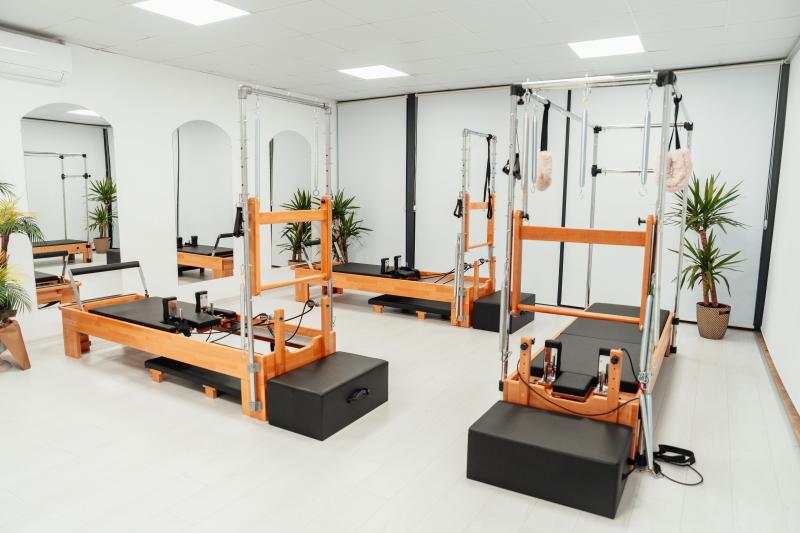
Let’s break each one down.
811.jpg

Top 3 Causes of Lower Back Ache After Beginner Mat Pilates

1. The #1 Culprit: Compensating with Lower Back (Core Engagement Failure)

For beginners, this is the most common cause of back pain. Mat Pilates relies on deep core engagement to protect the lower back during every move—but if your core isn’t strong enough (yet) or you’re not activating it correctly, your body will compensate by using your lower back muscles.

Here’s how it plays out in common beginner moves:
  • The Hundred: If you lift your legs too high (beyond a 45-degree angle) or don’t pull your belly button toward your spine, your lower back will arch to support your legs—straining the lumbar muscles.

  • Roll-Up: If you use momentum (instead of core strength) to sit up, your lower back will take the brunt of the movement, leading to dull ache.

  • Single-Leg Stretch: If your core isn’t braced, lifting one leg will cause your lower back to rotate or arch—adding pressure to sensitive areas.

The worst part? This compensation feels “normal” at first, so you might not notice it until the ache sets in 12–24 hours post-workout.

2. Ballet-Related Muscle Imbalances Are Worsening Strain

Ballet training is incredible for building strength and flexibility—but it often creates asymmetrical muscle imbalances that follow you into Pilates:

  • Tight Hip Flexors & Weak Glutes: Ballet requires hours of plies, relevés, and lunges—all of which tighten the hip flexors (iliopsoas) and weaken the glutes (especially the glute medius). Tight hip flexors pull your pelvis forward, causing your lower back to arch excessively during Pilates moves.


  • Overworked Quads & Underused Core: Ballet prioritizes leg strength over deep core work, so your “ballet core” is often the superficial abdominal muscles (rectus abdominis) — not the deep core muscles that protect your back.


  • Postural Habits: Ballet’s emphasis on a “long spine” can lead to overarching the lower back (a habit that’s hard to break in Pilates, where neutral spine is key).

These imbalances mean your lower back is already under strain before you even start a Pilates class—and the mat work amplifies that pressure.

3. Sudden Increase to 4x Weekly Pilates Is Causing Overload

You went from 2x weekly beginner mat Pilates (14 weeks of consistent, low-frequency training) to 4x weekly in late Jan 2026—and this jump is a classic recipe for overuse pain.
Your body adapted to 2x weekly sessions: your core muscles were building strength gradually, and your lower back had time to recover between classes. Doubling the frequency means your muscles (especially the compensating lower back muscles) don’t have 48 hours of rest to repair—leading to a dull, persistent ache.

How to Fix Lower Back Pain & Get Back to Pain-Free Pilates (2026 Expert Tips)

These fixes are tailored to beginners and former ballet dancers—focus on form, balance, and gradual progression to heal your back and strengthen your core.

1. Master Neutral Spine & Core Engagement (Fix the Root Cause)

Before your next Pilates class, spend 5 minutes practicing this core activation drill to train your body to stop compensating:
  1. Lie on your back with knees bent, feet flat on the floor (hip-width apart). Place one hand on your lower back (you should feel a small gap between your hand and spine) and the other on your belly.


  2. Exhale slowly through pursed lips, pulling your belly button toward your spine. You should feel the gap under your lower back hand narrow (your spine presses gently into the floor) — this is neutral spine.


Online messageX