
 +86-18378303768
Let’s Bust the Myth – Pilates Was Created for Men (Yes, Really!)
Why You Don’t Need to Worry About Making Others Uncomfortable
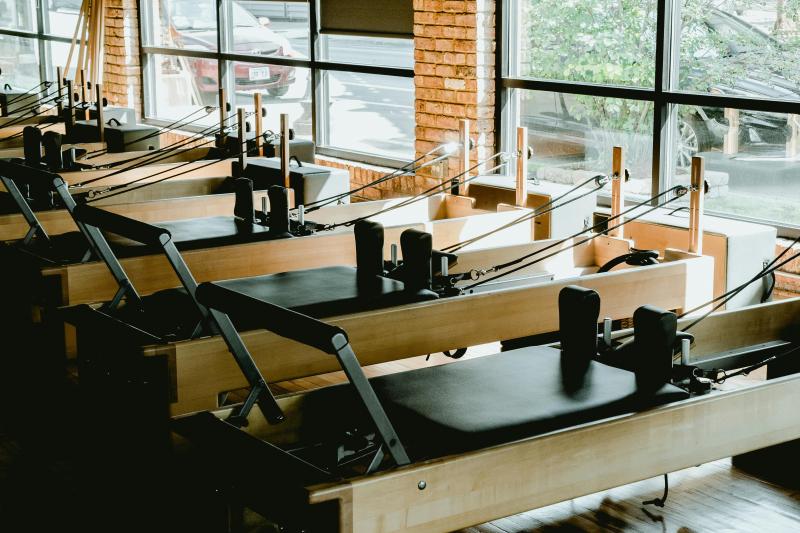
Classmates Are Focused on Their Own Workouts
In any Pilates class, whether it’s mat or reformer, everyone is hyper-focused on their own body, form, and breath. No one is scanning the room to judge others—they’re too busy trying to hold a plank without straining their back, or master a reformer footwork sequence. The woman next to you isn’t worried about you—she’s worried about her own core engagement.
Revealing Workout Clothes Are About Comfort, Not Attention
The workout wear you see in TikTok videos? It’s chosen for function, not to attract attention. Pilates requires a lot of movement—rolling, stretching, bending—and form-fitting clothes help instructors see and correct your alignment (e.g., if your lower back is arching during a roll-up). Most people wear what’s comfortable for them, and they don’t care what others are wearing—or who’s in the room with them.
Your Intentions Are Clear (And That Matters)
You’ve already thought about positioning yourself in the front of the group to avoid any misinterpretation of your gaze—that’s a smart, respectful move. Instructors and classmates will pick up on your focus on your own practice—not others—and that eliminates any chance of misjudgment.
5 Actionable Tips to Join a Pilates Club Confidently (2026)
1. Find an Inclusive, Beginner-Focused Studio First
Check the Studio’s Social Media: Look at their Instagram or Facebook pages—do they post photos of diverse clients (men, women, non-binary folks, all ages)? Do they use inclusive language (e.g., “for all levels” or “everyone welcome”)?
Read Reviews: Search for keywords like “male-friendly,” “inclusive,” or “great for beginners” in Google or Yelp reviews. Men who’ve joined the studio will often mention how welcome they felt.
Call or Email the Studio Before Joining: This is your secret weapon. Send a quick message: “Hi, I’m a man new to Pilates, dealing with back pain, and I’m a little nervous about joining my first class. Can you tell me about your beginner classes and how welcoming they are for male clients?” Most studios will go out of their way to reassure you—and some might even offer a free trial class to help you ease in.
2. Choose a Beginner Class (Avoid Intimidating Advanced Sessions)
3. Position Yourself Strategically (As You Planned!)
Standing front and center shows you’re focused on the instructor and your own practice, not on others.
It eliminates any chance of accidental eye contact that could be misinterpreted.
The instructor will be able to see you clearly and give you personalized form tips (critical for relieving your back pain).
4. Wear What Makes You Comfortable (No Need to Overthink It)
5. Talk to the Instructor Before Class (Share Your Goals & Fears)
Related cases
Contact Us
Tel:+8615818656741 Whatsapp:+8618378303768 Email:info@mieuxpilates.com
Website column
Our strengths
-
Material
Mieux Pilates uses premium materials

-
Transportation
Mieux Pilates provides global transportation

-
Warranty
Our Pilates products have a 3-year warranty.

Friendship link:
All rights reserved by mieuxpilates
Guangdong ICP No. 12037206
technical support:Mieux Pilates +86-18378303768