
 +86-18378303768
After nearly 2 years and 500 Reformer Pilates classes, you’ve mastered the basics, honed your mind-body connection, and outgrown the limitations of studio life: rigid schedules, commute time, and a one-size-fits-all structure that leaves you craving more variety. Investing in a studio-quality home reformer feels like the next natural step—but the fear of ditching in-person instruction for virtual sessions lingers.
You’re not alone in this crossroads. Many seasoned practitioners (500+ classes under their belt) face the same dilemma: trade the convenience and freedom of home workouts for the expert guidance of studio classes? And if you take the home route, is the Flexia Reformer worth the splurge, or are there better options for experienced bodies?
In this guide, we’ll share unfiltered stories from practitioners who switched (or didn’t) between studio memberships and home reformers, break down the pros and cons of each path for 500-class veterans, and deep dive into the Flexia Reformer vs. other top studio-quality models to help you decide.
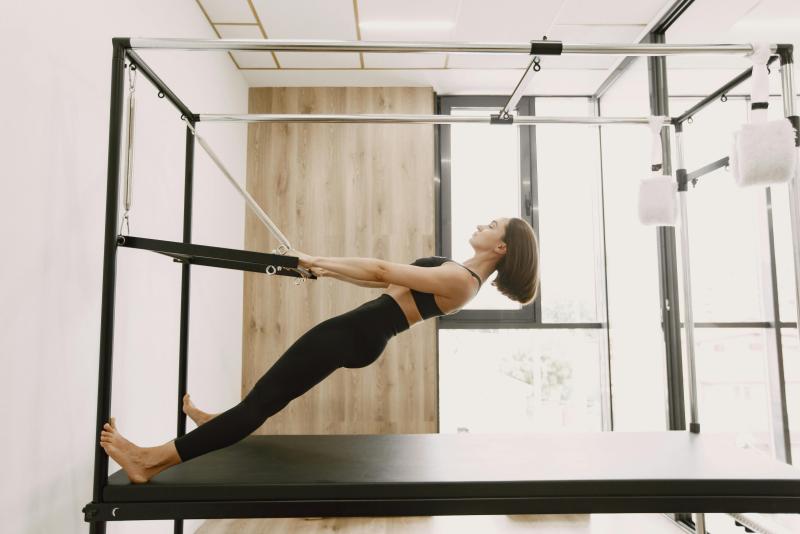
The Core Trade-Offs for 500-Class Practitioners
After 500 classes, you’re no longer a beginner—you understand spring tension, proper alignment, and how to modify moves for your body. This changes the calculus between home and studio: what once felt risky (home workouts without in-person cues) becomes manageable, while studio limitations (schedule, commute, repetitive sequences) grow more frustrating. Here’s how the two paths stack up for seasoned practitioners:
| Factor | Studio Membership | Home Reformer Pilates |
|---|---|---|
| Guidance & Form | Expert in-person cues, real-time corrections, and tailored adjustments for advanced moves. Ideal if you’re chasing specific goals (e.g., mastering reformer jumps, fixing asymmetries). | Virtual classes (on-demand or live) and self-guided sessions. Relies on your existing form knowledge—best if you’re confident in your alignment but want variety. |
| Flexibility & Variety | Tied to studio schedules; sequences are often standardized across classes. Limited ability to repeat or modify workouts based on your mood/energy. | Workout anytime (early mornings, late nights, 10-minute micro-sessions); access to endless virtual class libraries (strength, mobility, recovery). You control the sequence, spring tension, and focus. |
| Cost | Recurring monthly fees ($150–$300+) for unlimited classes; no upfront equipment costs. Over time, expenses add up (2 years of studio membership = $3,600–$7,200). | High upfront investment ($1,500–$5,000) for a studio-quality reformer; optional virtual subscription ($20–$50/month). Breaks even after 1–3 years vs. studio fees. |
| Experience | Community vibe, accountability from instructors/classmates, and access to multiple pieces of equipment (cadillac, chair) for cross-training. | Private, distraction-free sessions; ability to practice at your own pace without pressure to keep up. Limited to one piece of equipment (unless you expand later). |
For 500-class veterans, the biggest win of home reformers is agency: you’re no longer constrained by what the studio offers—you can design workouts that target your unique needs, repeat tricky sequences until you master them, and fit Pilates into your schedule, not the other way around. The biggest risk? Plateaus from lack of external feedback or falling into comfort zones.
Real Stories: Practitioners Who Switched (or Didn’t) After 500+ Classes
Hearing from others who’ve walked this path is the best way to gauge what’s right for you. Here are three stories from 500+ class practitioners:
Story 1: “I Switched to Home—Flexia Reformer Gave Me Freedom Without Sacrificing Guidance”
Emma, 38, 520 studio classes, switched to Flexia Reformer 8 months ago
“I hit a wall at 500 classes—my studio’s sequences felt repetitive, and the 45-minute commute each way was eating into my evenings. I was terrified of losing instructor guidance, but the Flexia Reformer’s smart tech won me over.The Flexia isn’t just a machine—it connects to an online studio with live and on-demand classes that track your form via built-in sensorsFlexia Pilates. If my carriage is off-kilter or I’m not engaging my core properly, the app gives real-time feedback—like having a virtual instructor. The class library is massive: I can do a 20-minute strength session one morning, a 45-minute mobility flow that night, and repeat my favorite sequences whenever I want.I still miss the studio community sometimes, so I book a private session once a month for targeted feedback. But overall, I’m happier—my workouts are more intentional, I save 90 minutes a day on commuting, and I’ve progressed faster by focusing on what my body needs, not the class’s agenda. The Flexia was expensive, but it’s paid for itself in studio fees avoided.”
Story 2: “I Didn’t Switch—Studio Guidance Keeps Me Progressing Past Plateaus”
Michael, 45, 600 studio classes, kept his membership (considered home reformer)
“I researched home reformers for months—even tested the Flexia and a Fold Reformer—but ultimately stuck with my studio membership. Here’s why: after 500 classes, I started hitting plateaus. I could do the moves, but I wasn’t getting stronger, and I noticed subtle alignment issues (a rounded shoulder during arm pulls) that I couldn’t catch on my own.My studio instructor knows my body—she pushes me to try advanced modifications (e.g., heavier springs for leg presses, single-leg reformer jumps) that I’d never attempt at home, and she corrects small form flaws before they become habits. Plus, the studio has a cadillac and chair, which adds variety I can’t replicate with a single home reformer.I solved the schedule/commute issue by booking early-morning classes (no traffic) and using the studio’s on-demand app for days when I can’t make it. It’s not perfect, but the guidance is worth the trade-off. For me, the risk of plateauing at home outweighed the convenience.”
Story 3: “I Blended Both—Home Reformer for Routine, Studio for Advanced Work”
Related cases
Contact Us
Tel:+8615818656741 Whatsapp:+8618378303768 Email:info@mieuxpilates.com
Website column
Our strengths
-
Material
Mieux Pilates uses premium materials

-
Transportation
Mieux Pilates provides global transportation

-
Warranty
Our Pilates products have a 3-year warranty.

Friendship link:
All rights reserved by mieuxpilates
Guangdong ICP No. 12037206
technical support:Mieux Pilates +86-18378303768
Online messageX