
 +86-18378303768
Why Long Legs + Short Torso Make Deep Squats Hard (It’s All About Leverage)
Your struggle to squat deep isn’t a “form flaw”—it’s a matter of body mechanics and leverage. Here’s how your proportions work against you in traditional squats:
Long legs mean your femurs (thigh bones) are longer relative to your torso. When you squat, your hips have to travel farther back to keep your torso upright, which can force your knees to cave inward or your lower back to round (the scary feeling that made you avoid deep weighted squats).
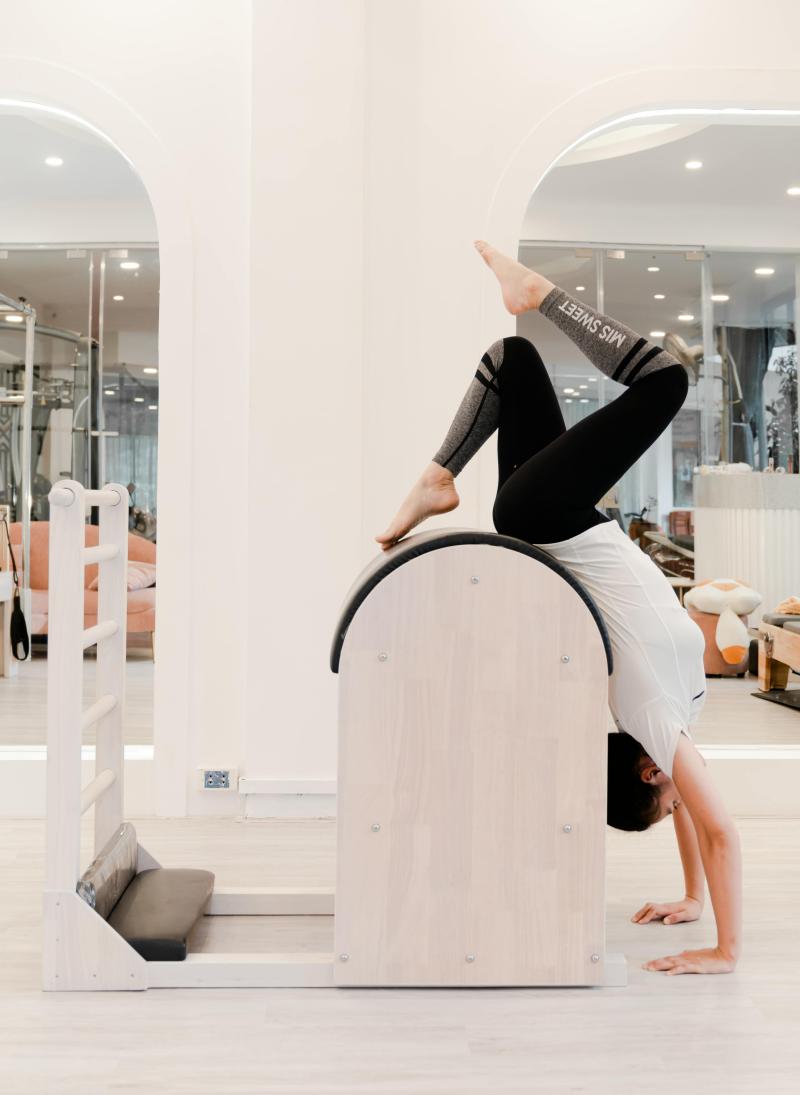
A short torso limits how far you can lean forward without losing balance—this is why your gym trainer recommended a widened stance: it creates a more stable base to offset your long legs.
In weightlifting, adding load amplifies these mechanical challenges—hence your caution around deep squats. But in Pilates, the reformer’s springs provide support, not resistance (when used correctly), which lets you focus on alignment instead of fighting to hold weight.
Gym Squats vs. Reformer Pilates Squats: The Critical Difference for Long Legs
The reason Pilates can help you squat deeper safely is that it flips the script on how you approach the movement. Here’s how the two compare for your body type:
| Factor | Gym Weighted Squats | Reformer Pilates Squats |
|---|---|---|
| Goal | Lift heavy; prioritize load over alignment | Build stability; prioritize form over depth |
| Resistance | External weight (barbell, dumbbells) that adds strain to knees/hips | Spring tension that supports your body (light to moderate springs) to maintain alignment |
| Stance Focus | Widened stance + forward lean to offset long legs | Widened stance plus core/pelvic stability to keep torso upright |
| Injury Risk | High (weight amplifies leverage issues) | Low (supportive springs + slow, controlled movement) |
The reformer’s footbar and straps also give you tactile feedback—you can feel exactly where your weight is shifting (heels vs. toes) and adjust your stance in real time, which is hard to do with a barbell on your back.
Can Pilates Actually Improve Your Squat Depth? Yes—Here’s How (For Long Legs)
For long-legged, short-torso practitioners, Pilates doesn’t “force” deep squats—it builds the stability and mobility you need to deepen the movement gradually, without strain. Here are the three key ways Pilates improves your squat form:
1. It Strengthens Your Deep Core + Glutes (Your Squat Stabilizers)
Deep squats require a strong core to keep your torso upright and glutes to drive your hips back without rounding your lower back. Pilates moves like reformer footwork, glute bridges, and single-leg stretches target these muscles specifically—strengthening the stabilizers that your weightlifting routine may have overlooked.
For example: Reformer footwork with light springs trains you to press through your heels and engage your glutes before you squat down—this creates a stable base that offsets your long legs.
2. It Improves Ankle Mobility (A Hidden Barrier to Deep Squats)
Long-legged people often have tight ankles, which limits how far you can squat without lifting your heels (a major form flaw). Pilates reformer moves like calf stretches with the footbar and heel drops improve ankle mobility gradually, which lets you sink deeper into squats without losing balance.
3. It Teaches You to Squat With Neutral Pelvis (Not Rounded or Tilted)
A neutral pelvis is the holy grail of safe squats for your body type—but it’s hard to master when you’re focused on lifting weight. Pilates emphasizes pelvic alignment in every move: during reformer squats, your instructor can cue you to “tuck your tailbone slightly” or “lengthen your spine” to keep your pelvis neutral, which prevents knee cave and lower back strain.
Should You Strive for Deeper Squats in Pilates? (The Answer Depends on Pain)
The


 +86-18378303768