
 +86-18378303768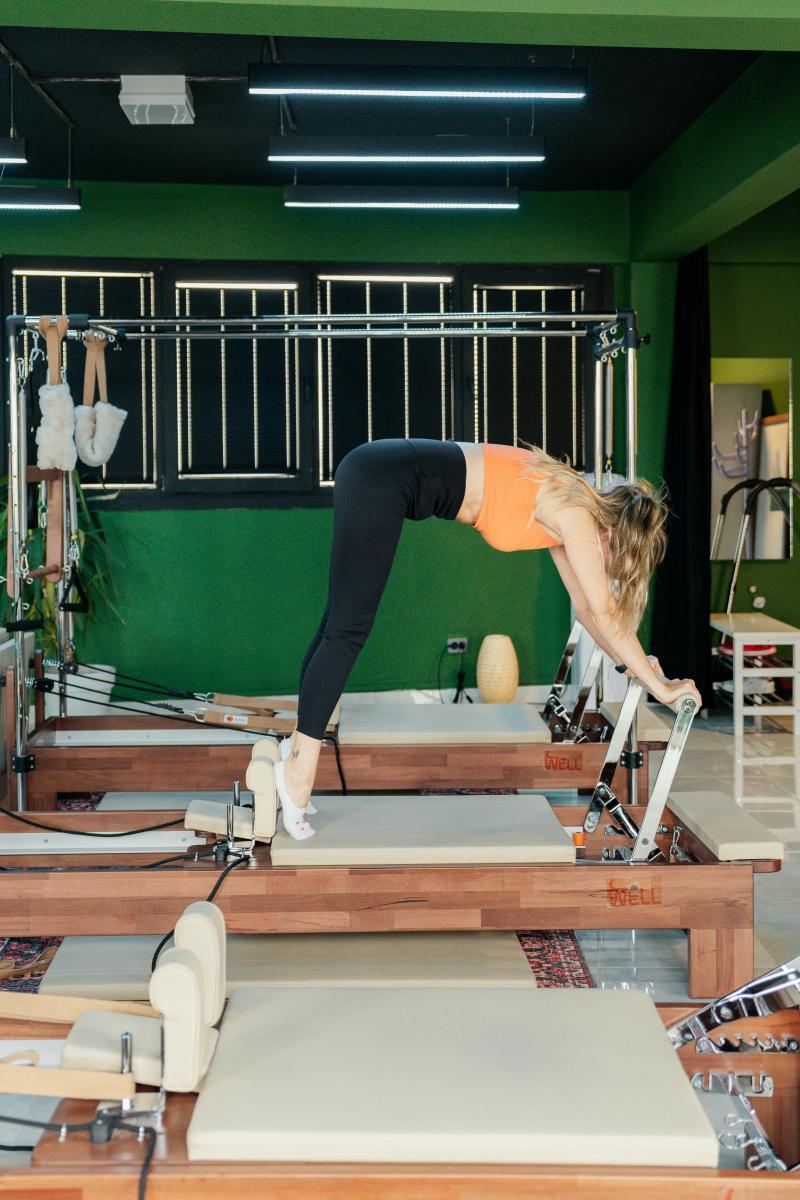
What to Bring (The Non-Negotiables + Nice-to-Haves)
Water bottle: Pilates is low-impact but still works up a sweat (especially reformer!), and staying hydrated keeps your muscles loose. Opt for a small, easy-to-tuck bottle—you won’t want to lug a huge one around the studio.
Hair tie (for long hair): Even if your hair is “just past shoulder-length,” it will fall in your face during moves like roll-ups or side-lying work. A thick hair tie that stays put (no slipping!) is best—avoid loose scrunchies that might get tangled in straps.
Small towel: Not just for wiping sweat! For reformer classes, a thin towel can be placed under your knees (if kneeling on the carriage feels hard) or under your head for extra comfort. Skip big beach towels—they’ll take up too much space.
Grip socks (HIGHLY recommended): Most studios sell them if you forget, but bringing your own saves money. They have non-slip bottoms that keep you stable on reformer carriages, mat floors, or chairs—no slipping during bridges or planks! They’re also a hygiene must (you won’t want bare feet on shared equipment).
Change of clothes (optional but nice): If you’re coming from work/errands, a fresh set of loungewear to change into post-class will make you feel way more comfortable (sweaty leggings = no fun for commuting home!).
Phone charger (optional): Studios usually have a spot to stash phones, but if you’re nervous about being late or need to check in with someone, a portable charger ensures you’re not stressed about your battery.
What to Wear (Comfort + Function = Key)
Bottoms: Form-fitting, sweat-wicking leggings (or capris): I used to prefer shorts because I felt a bit self-conscious in leggings, but if you’re a sweaty person like I am, shorts can be uncomfortable (sweat on the back of my knees…) and make it slippery when you’re kneeling on the machine. Leggings hug your body so they won’t get caught on reformer straps, footbars, or springs—plus, they stay put during lunges, side work, or inversions (yes, even gentle ones!). If leggings feel too tight, opt for slim-fit sweatpants (no baggy knees!) or high-waisted biker shorts (long enough to cover your thighs if you’re kneeling).
Tops: Fitted but not restrictive: A slim tank top, short-sleeve workout shirt, or cropped long-sleeve (for cooler studios) works best. Avoid baggy t-shirts—they’ll ride up during supine moves (like the hundred) or get in the way when you’re reaching for straps. For women, a supportive sports bra is a must—Pilates involves a lot of core and upper body movement, and you’ll want to feel secure (no adjusting mid-class!).
Avoid: Baggy sweats, loose t-shirts, long flowing sleeves, or jeans (obviously!). Also skip pants with zippers, buttons, or bulky seams—they’ll dig into your skin during floor work or reformer moves.
What to AVOID Before Class (Trust Us on These!)
Eating a big meal (or heavy snacks) 1–2 hours before: Pilates involves a lot of core work, and a full stomach will feel uncomfortable—think cramping or bloating during roll-ups or bridges. If you’re hungry, stick to a small, light snack 30–45 minutes before (e.g., a banana, handful of nuts, or a slice of toast with peanut butter).
Lotion, oil, or body butter: Slippery hands/feet = unsafe on reformers (you could slide off the carriage!) or mats. Even a light lotion on your legs or arms can make it hard to grip straps or hold poses—save the moisturizer for post-class.
Dangling jewelry: Necklaces, long earrings, bracelets, or rings (other than a simple band) can get tangled in reformer straps, scratch the equipment, or poke you during floor work. Take them off and leave them in your bag (or at home) to avoid hassle.
Strong perfume/cologne: Studios are small, enclosed spaces, and strong scents can be overwhelming for instructors or fellow clients (especially those with allergies or sensitivities). Opt for no fragrance at all—fresh is best!
Too much caffeine: A small coffee is fine, but chugging a huge energy drink will make you jittery—Pilates is about control and focus, and you don’t want to feel shaky during slow, intentional moves.
Showing up late: More on this below, but arriving even 5 minutes late will make you flustered—and you’ll miss the instructor’s intro to equipment or safety tips.
Pro Tips for First-Timers (From Instructors + Veterans)
Arrive 10–15 minutes early—this is NON-NEGOTIABLE!: This gives you time to: (1) Check in with the front desk, (2) Meet your instructor and tell them it’s your first class, (3) Get a quick demo of the equipment (reformer springs, footbar, straps—they’ll keep it simple!), and (4) Settle into your spot (no rushing to find a mat/reformer). Most importantly: Tell the instructor about any injuries, tightness, or limitations (e.g., “I have a bad knee” or “my shoulders are stiff”). They’ll give you modifications so you can practice safely—no one expects you to do moves that hurt!
Don’t be afraid to take breaks (or ask for modifications): Instructors want you to feel successful, not strained. If a move feels too hard, or you need to catch your breath, take a 10-second break—drink water, reset, and jump back in when you’re ready. Most instructors won’t cue breaks (they assume you’ll listen to your body), so don’t feel guilty about pausing. And if a move hurts (sharp pain, not muscle burn), raise your hand and say something—they’ll adjust it for you.
Focus on form over “perfection”: You won’t nail every move on the first try—and that’s okay! Pilates is a practice, not a performance. Instructors would rather see you do a modified roll-up with perfect spine alignment than a full roll-up with a rounded back. Listen to their cues (e.g., “engage your core” or “keep your shoulders down”) and do your best—progress comes with time.
Don’t compare yourself to others: Every person in the class was a first-timer once! Some people will have done Pilates before, some won’t—either way, everyone is focused on their own journey. Don’t stress if someone next to you is doing a more advanced variation—stick to your modifications and be proud of showing up.
Relax your shoulders (and your mind!): First-class nerves are normal—most people feel them! Take a deep breath when you walk in, and remember: the instructor is there to help you, not judge you. If you forget a cue or mess up a move, laugh it off—no one cares (we’ve all been there!).
After class: Ask questions!: If you’re confused about a move, or want to know how to practice at home, ask the instructor—they love sharing tips with beginners. And don’t worry if you feel “sore in a good way” the next day—that’s your muscles waking up (a sign you worked hard!).
Wear socks in the studio (even if you’re doing mat!): Most studios have a “no bare feet off the mat” rule for hygiene—keep your grip socks on when you’re walking around, using the bathroom, or waiting for class to start.


 +86-18378303768