
Neck Tensing When Belly Breathing & Engaging Core: Causes + Fixes
+86-18378303768

Position:Home > Solutions > Educational & Training > Neck Activation When Belly Breathing & Engaging Core: Is It Normal? How to Fix It

Neck Activation When Belly Breathing & Engaging Core: Is It Normal? How to Fix It

Why Your Neck Engages When Belly Breathing & Activating Your Core
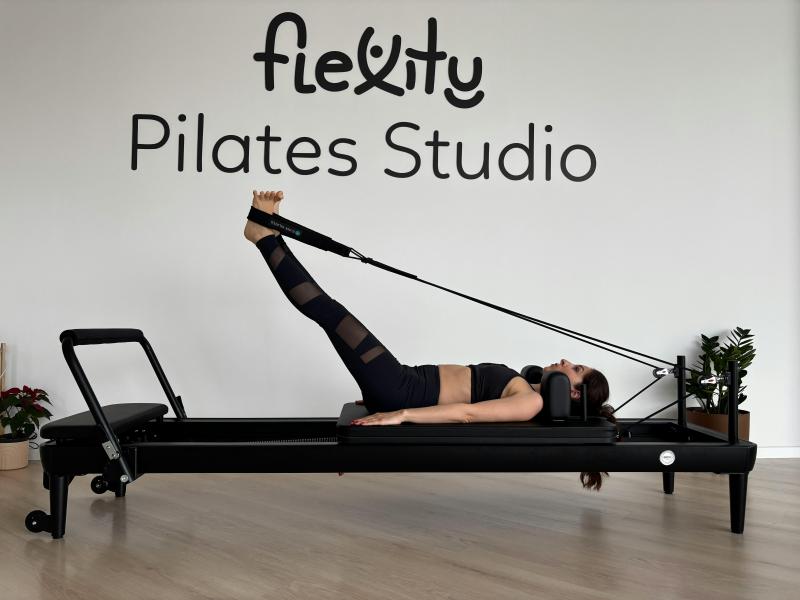
To fix the issue, you first need to understand why your neck is stepping in. Your body is wired to find the path of least resistance, and when you’re focusing hard on a new (or forgotten) movement pattern—like proper belly breathing + core “corset” activation—your neck often becomes a “compensation muscle” without you realizing it. Here are the most common causes:
817.jpg

1. You’re “Over-Efforting” to Engage Your Core

After years of core work, you might associate “core engagement” with “muscle tension”—but proper core activation (especially the deep “corset” muscles, like your transverse abdominis) is subtle, not forceful. When you exhale and try to “squeeze” your core too hard to bring your ribs down, your body recruits other tense muscles to help—including the sternocleidomastoid (SCM) and trapezius in your neck. It’s like your brain is saying, “I need to work hard here—let’s get every muscle involved!”

2. Misaligned Breathing Mechanics

Belly breathing (diaphragmatic breathing) requires your diaphragm to expand and contract fully—when it doesn’t, other muscles (called “accessory breathing muscles”) kick in to help. Your neck muscles are key accessory breathers: if you’re not breathing deeply enough into your belly (or if you’re holding your breath slightly when engaging your core), your neck tenses up to “pull” air out, leading to activation you don’t want.
This is especially common when practicing with your head on the ground: if your chin is tilted too far up or down, it restricts your airway slightly, making your neck work harder to breathe as you exhale and engage.

3. Muscle Memory of Compensating for Weakness (Even if You Don’t Feel It)

Even with years of core work, many of us have hidden weaknesses in our deep core or pelvic floor. When you’re relearning to connect your pelvic floor to your core (and bring your ribs down), your body might compensate by using your neck to “stabilize” — especially if your deep core muscles aren’t yet strong enough to engage without extra help. It’s a old habit your body is falling back on, not a failure on your part.

First: Is This Harmful?

Short answer: Not if you fix it quickly. Occasional neck activation during practice won’t cause injury, but if it becomes a habit, it can lead to neck tension, stiffness, or even headaches over time. More importantly, it means you’re not getting the full benefit of your core work—your neck is doing some of the work your core should be doing, which defeats the purpose of relearning proper engagement.

How to Fix Neck Activation: 5 Step-by-Step Exercises & Tips

The goal is to retrain your body to separate neck tension from core engagement and breathing. These tips are designed for your practice (head on the ground, focusing on belly breathing + pelvic floor + rib control) and are easy to add to your routine today.

1. Start with “Neck Reset” Before You Begin

Before practicing your breathing and core work, release any existing tension in your neck to set yourself up for success:
  • Lie on your back with your head on the ground (use a thin pillow or folded towel under your head if it feels more comfortable—this can reduce neck strain).

  • Let your arms rest at your sides, palms down, and close your eyes.

  • Take 3 slow, gentle breathswithout trying to engage your core—just focus on breathing in through your nose (filling your belly) and out through your mouth (emptying your belly).

  • With each exhale, let your neck relax deeper into the ground—imagine your neck muscles melting away from your skull. Avoid tilting your chin up or down; keep it neutral (like you’re holding a grape between your chin and chest).

2. Practice “Soft Belly Breathing” First (No Core Engagement Yet)

The biggest mistake most people make is trying to engage their core while learning to breathe properly. Separate these two skills first—master soft belly breathing, then add core engagement.
  • Stay on your back, head neutral, arms relaxed.

  • Place one hand on your belly (just below your ribs) and the other hand on your neck (so you can feel when it tenses).

  • Inhale slowly through your nose for 4 counts: Feel your belly rise into your hand—your chest and neck should stay completely still. If your neck tenses here, pause, reset, and breathe more gently.

  • Exhale slowly through your mouth for 6 counts: Feel your belly fall back toward your spine—again, your neck should stay soft. If you feel tension in your neck hand, stop exhaling, take a gentle inhale, and try again (exhale more slowly, less forcefully).

  • Do this for 1–2 minutes: Focus only on keeping your neck soft while breathing into your belly. This trains your body to use your diaphragm, not your neck, for breathing.

3. Add Core Engagement “Micro-Movements” (No Force!)”

Once soft belly breathing feels easy (no neck tension), add core engagement gradually—think “10% effort,” not full squeeze. Remember: the “corset” activation is deep, not superficial.
  • Continue lying on your back, hand on belly, hand on neck.

  • Inhale deeply into your belly (4 counts), letting your ribs expand slightly.

  • As you exhale (6 counts):
    • First, gently engage your pelvic floor—like you’re stopping the flow of urine (softly, not tightly).

    • Then, imagine zipping up a tight corset from your pubic bone to your ribs—this is your transverse abdominis engaging. You should feel your belly pull slightly toward your spine, but not your shoulders or neck tensing.

    • Finally, gently draw your ribs down and back—like you’re tucking them toward your hips (again, soft, not forced).

  • If you feel neck tension at any point, pause, release all engagement, and take a gentle breath. Try again with even less effort—remember, “less is more” here.

4. Use a “Neck Cue” to Stay Soft

When you’re focusing hard on core and pelvic floor engagement, it’s easy to forget about your neck. Give yourself a simple cue to keep it relaxed:
  • Before exhaling and engaging, whisper to yourself: “Neck like Jell-O” or “Soft neck, strong core.”

  • Keep your hand on your neck as a reminder—if you feel it tense, pause and reset. The tactile feedback will help your brain connect “core engagement” to “neck relaxation.”

5. Check Your Head Position (Critical!)

Even a small misalignment of your head can cause neck tension. When lying on your back:
  • Your ears should be in line with your shoulders (not tilted forward or back).

  • If your chin is pointing up toward the ceiling, it strains your neck—gently tuck it down slightly (like holding a grape under your chin) to neutralize.

  • If your head feels “heavy” or your neck is strained, add a thin pillow or folded towel under your head—this supports your cervical spine and reduces the need for your neck muscles to engage.

Pro Tips for Long-Term Success

  • Short, consistent practice is better than long, inconsistent sessions: Spend 5–10 minutes daily on these steps, rather than 30 minutes once a week. Muscle memory builds slowly—be patient with yourself.

  • Don’t practice when you’re tired or stressed: When your body is fatigued, it’s more likely to compensate (hello, neck tension!). Practice when you’re calm and focused.

  • Release between reps: After each exhale + engagement, inhale deeply and release all tension (core, pelvic floor, neck) before trying again. This prevents your body from holding tension unnecessarily.

  • Be kind to yourself: You’re relearning a foundational movement pattern—this takes time, even with years of core work. If your neck tenses up sometimes, it’s okay—just reset and keep going.

You’re Already Doing It Right by Noticing

The fact that you’re aware of the neck activation means you’re paying attention to your body—which is the first (and hardest!) step to fixing it. Relearning belly breathing, core engagement, and pelvic floor connection is like learning to walk again: it feels awkward at first, but with consistent, gentle practice, it will become second nature.
Remember: Proper core engagement is subtle, not forceful. Your neck should never work harder than your core during these exercises. Stick to the steps above, take it slow, and soon you’ll be able to breathe deeply, engage your core and pelvic floor, and keep your neck soft—all at the same time.
Has anyone else dealt with neck tension while relearning core engagement? Drop your tips below—I’d love to try them!


Online messageX